Real-time Infrastructure Monitoring
Build white-label, SEO-optimized status pages in minutes. Keep your customers informed with a visual builder that matches your brand.
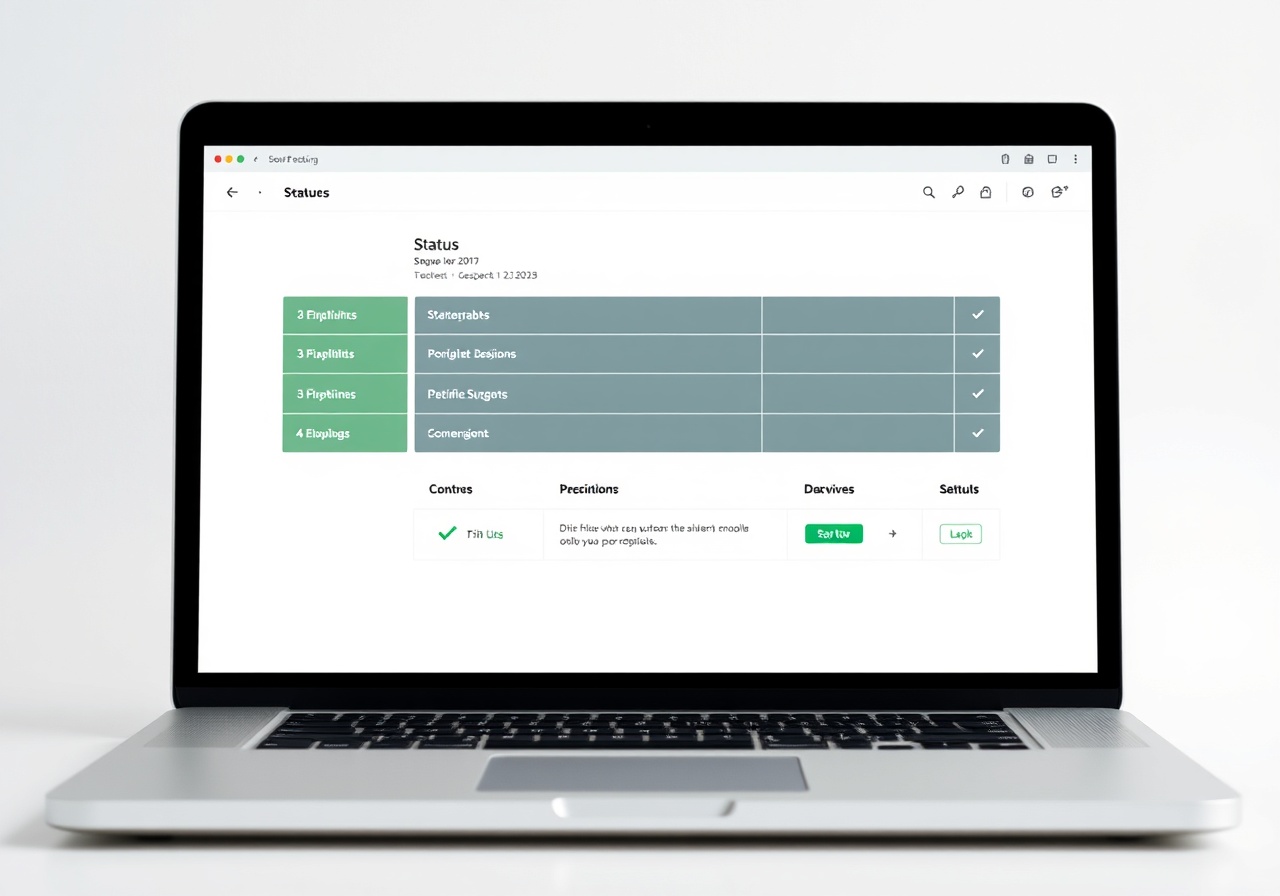
Drag-and-Drop Visual Builder
Design your public status page without writing a single line of frontend code. Our intuitive interface lets you arrange service groups, configure incident timelines, and set maintenance windows with pixel-perfect precision.
Live Preview Sync
Every adjustment reflects instantly in the right-hand preview pane. Test dark mode, compact layouts, and custom color palettes before publishing to your vanity URL.
Component Library
Drop in pre-built blocks for uptime graphs, RSS feed integrations, and team contact badges. Fully responsive across desktop, tablet, and mobile viewports.
Version Control
Save up to 50 design snapshots per workspace. Roll back to any previous layout instantly if a configuration change breaks your styling.
White-Label & SEO Ready
Your status page is your public face during outages. Strip SystemPulse branding, inject your own favicon, and claim full ownership of the URL with CNAME mapping.
Every generated page ships with semantic HTML5, automatic Open Graph tags, and structured data for incident tracking. Search engines index your service status natively, improving discoverability for customers searching for your product status. Mobile responsiveness is baked in, with touch-optimized incident reports and collapsible service groups that adapt to any screen size.
Embed Anywhere with One Script
Don't force users to leave your application. Drop our lightweight JavaScript widget into any footer, dashboard, or documentation site to surface real-time health indicators.
Async Loading & Zero Dependencies
The widget loads asynchronously at under 8KB gzipped. It respects prefers-reduced-motion and automatically falls back to a static badge if JavaScript is disabled.
Configurable Thresholds
Set custom uptime percentages, response time limits, and alert colors via data attributes. The widget syncs with your main status page using secure WebSockets.